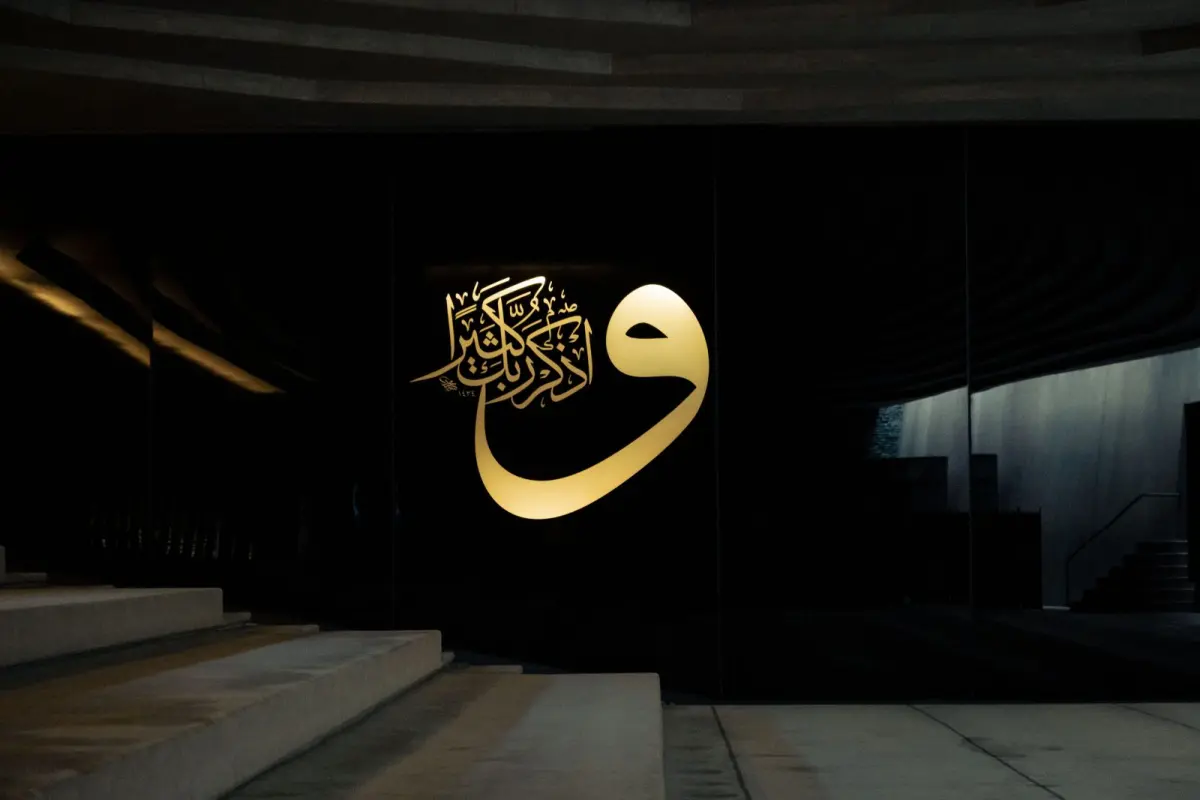
Arabic is not just a language; it is the key to understanding the Quran and Islamic heritage, and a tool for building a child's mind. Teaching it early is an investment whose fruits last a lifetime.
1. The key to understanding the Quran and prayer
When a child learns Arabic, they don't just read letters — they understand and live the meanings of their prayers and remembrances, deepening their bond with their faith from a young age.
2. Brain plasticity for languages
Studies show a child's brain before age ten acquires languages with remarkable ease and correct pronunciation hard to achieve later. Starting early gives your child a more native-like accent.
3. Sharpening cognitive skills
Learning a second language — especially one with a different script like Arabic — develops memory, focus, and problem-solving, positively affecting overall academic performance.
4. Preserving identity for diaspora families
For Muslim children in the West, Arabic is a bridge to their roots, identity, and family back home. A child who masters their ancestors' language has deeper belonging and confidence.
5. A door to cultural and literary richness
Arabic is a living language spoken by hundreds of millions, opening doors to rich literature, poetry, and future study and career opportunities.
How to start?
Begin with letters and simple words, blend learning with play and nasheeds, and ensure regular exposure. With a teacher specialized in teaching Arabic to children — as at Azhareon — your child follows a gradual, enjoyable curriculum. Book a free trial today and begin the journey.