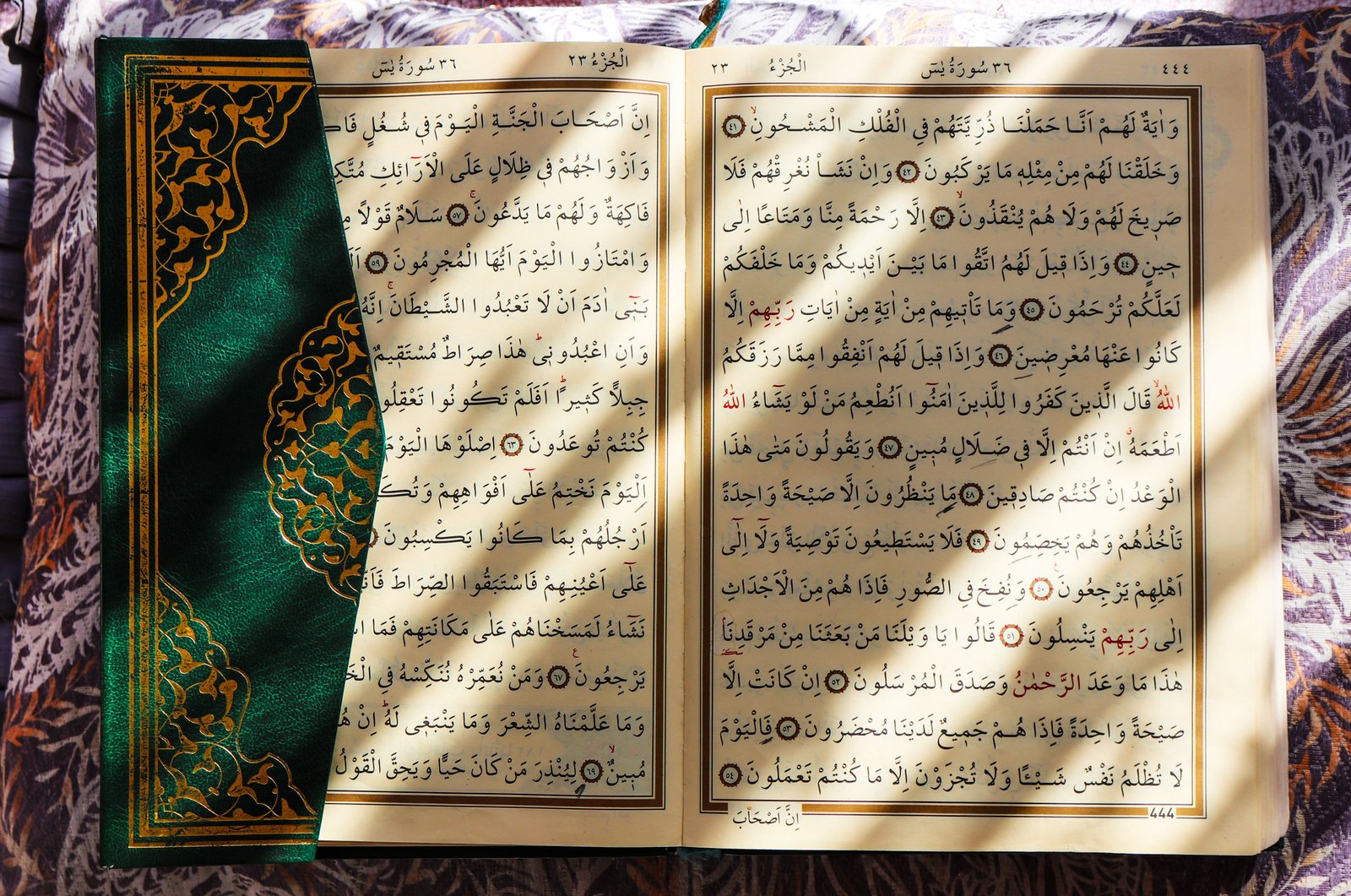
Your child finished the Qaida years ago. They read the Quran fluently, they lead the family in Al-Fatiha, and they've memorised several surahs. But when you hear an Arab reciter, something sounds different. "Al-maghdoob" comes out as "al-maghzoob". "Al-'aalameen" loses its first sound. "Qul" sounds like "kul".
This is very common among families from South Asia, South-East Asia, Africa, Europe and the Americas — including the many families living in the UAE and Saudi Arabia. It isn't a beginner problem, so beginner classes don't fix it. And it isn't laziness: your child is pronouncing Arabic letters with the sounds of their first language, exactly as they were taught.
Why it matters
In Arabic, some letters that sound alike to a non-Arab ear change the meaning of a word completely. A few examples:
| Often read as | Should be | Why it matters |
|---|---|---|
| ز (z) or د (d) | ض — a heavy, emphatic letter | It appears in Al-Fatiha itself: ghayril-maghḍūbi ʿalayhim wa la ḍ-ḍāllīn |
| ز (z) | ذ (th as in "this") and ظ | Three different letters collapse into one sound |
| س (s) | ث (th as in "think") and ص | Again, three letters become one |
| dropped, or a glottal stop ء | ع — from the middle of the throat | ʿĀlamīn, naʿbudu — the letter simply disappears |
| ه (h) | ح — a breathy, deeper h | Al-Ḥamdu becomes al-hamdu |
| ك (k) | ق — from the back of the tongue | Qul, al-Falaq, al-Ḥaqq |
| ت (t) | ط — heavy t | Ṣirāṭ loses its weight |
Scholars of tajweed treat clear mistakes in letters — the kind that change one letter into another — as serious, especially in Al-Fatiha, which is recited in every prayer. That is why it's worth fixing now, while your child is young and the habit is still flexible.
Why recordings and apps don't fix it
A child who already hears the difference can learn from recordings. But a child who doesn't hear the difference between ح and ه will copy the recording — and still say ه. Apps that "listen" to recitation struggle with exactly these sounds. What works is a teacher who hears the mistake, stops on it, shows where the sound comes from (throat, tongue, lips), and repeats until it's right. Then repeats again next lesson, because one correction doesn't break a habit.
What a correction programme looks like
- Assessment. In the first lesson the teacher listens to your child read and makes a list of the specific letters they mix up. Every child's list is different.
- Letter work. A few minutes each lesson on two or three letters at a time — in isolation, then in words, then in verses.
- Re-reading what they already know. Your child re-recites their memorised surahs with the corrected sounds, starting with Al-Fatiha. This is the most important step: the old version is deeply memorised.
- Written notes for home. After every lesson you receive a report of what was practised, so short daily practice at home reinforces it.
Most children hear the difference within a few weeks. Making it automatic in fluent recitation takes longer — usually a few months of regular lessons — and depends on practice between lessons.
Why an Arabic-speaking, English-explaining teacher
To fix Arabic sounds, the teacher needs native Arabic pronunciation. To explain them to your child, the teacher needs to speak your child's language. Our teachers for non-Arab children are Al-Azhar-trained, read with correct tajweed, and explain in English. Read more in tajweed for English speakers.
Prices
Non-Arabic speakers — packages
| Package | Lessons / month | 30-minute lesson | 60-minute lesson | Per lesson (60 min) |
|---|---|---|---|---|
| Continuity | 8 | $50 | $100 | $12.50 |
| Excellence | 12 | $72 | $144 | $12 |
| Distinction | 16 | $91 | $182 | $11.38 |
The smallest package available is 8 lessons per month (two per week). These are the same prices published on the packages page and the same ones charged — this table is generated from the pricing engine when the page loads.
Siblings get 10% off for two children and 15% for three or more.
Start with a free assessment lesson
The free trial is a full lesson. The teacher listens to your child, writes down exactly which letters need work, and suggests a plan — whether or not you continue with us. Book the free trial lesson.
Frequently Asked Questions
My child is a teenager. Is it too late?
No. Teenagers and adults fix these sounds too — it simply takes more repetition, because the habit is older. Many of our students start as teenagers or adults.
Should my child stop memorising new surahs while correcting?
Not necessarily. Many children continue memorising with a short correction section in each lesson. The teacher will suggest the balance after the assessment.
Do you teach in Urdu or other languages?
Lessons are explained in English (or Arabic). Most children in English-medium or international schools follow English explanations comfortably.