
Your child was born here, goes to a British school and speaks English at home. At madrasah there are thirty children in the room and the lesson is in Urdu or Arabic, so they read once a week for ninety seconds and come home tired. This is the other option: half an hour, one teacher, in English, at a time that fits the school week.
Book a free trial lesson WhatsApp usNothing here is a criticism of the madrasah. It is a different thing, for a different job — and most of our UK families keep both.
In a madrasah class of thirty over ninety minutes, your child reads aloud for about ninety seconds. In a one-to-one lesson of thirty minutes, they read for twenty-five. That single number is the whole difference.
Explanation, correction and encouragement in the language your child actually thinks in. The recitation is Arabic from the first lesson; the teaching around it is not in a language they are still guessing at.
No second school run in the dark, no waiting outside the masjid in January, no choosing between madrasah and football practice. The lesson happens at your kitchen table.
Every teacher is an Al-Azhar graduate, tested in recitation and Tajweed before they teach here. Ask to see the ijazah and we will tell you which teachers hold one with a connected chain.
Not a request you have to make twice. You select it when you book and a qualified female teacher is assigned.
A parent portal with attendance, what was memorised, and the teacher's note after every lesson. You stop having to ask a tired nine-year-old how it went.
Every plan begins with a placement lesson, so your child starts exactly where they are.
For a child who cannot yet read a single Arabic letter, including one who has sat in madrasah for two years and still cannot. Sound by sound, until they open the Mushaf and read a line alone.
The step most children in the UK are missing: moving from memorised-by-ear surahs to actually reading the page in front of them.
A written plan at a pace that survives a British school week, with scheduled revision so last term's surahs are still there next term.
Makharij and the rules taught by demonstration and correction on what your child is actually reciting — not rules copied into an exercise book.
Reading, writing and conversation for a child whose first language is English — so recitation stops being a sequence of sounds with no meaning.
A patient, private lesson for an adult who never learned, or who accepted Islam and is starting at the alphabet. No class to feel behind in.
Four steps, and the first one costs nothing.
Age, level, and what you want — memorisation, reading, or starting from the Arabic letters. Two minutes.
Meet the teacher, watch a real lesson, ask anything. No card, no commitment.
Same teacher, same slot every week, UK time (GMT/BST). You get a written plan.
A parent portal with attendance, what was memorised, and the teacher's note after every lesson.
Lessons are online, so your postcode changes nothing — and there is no second school run at half past five.
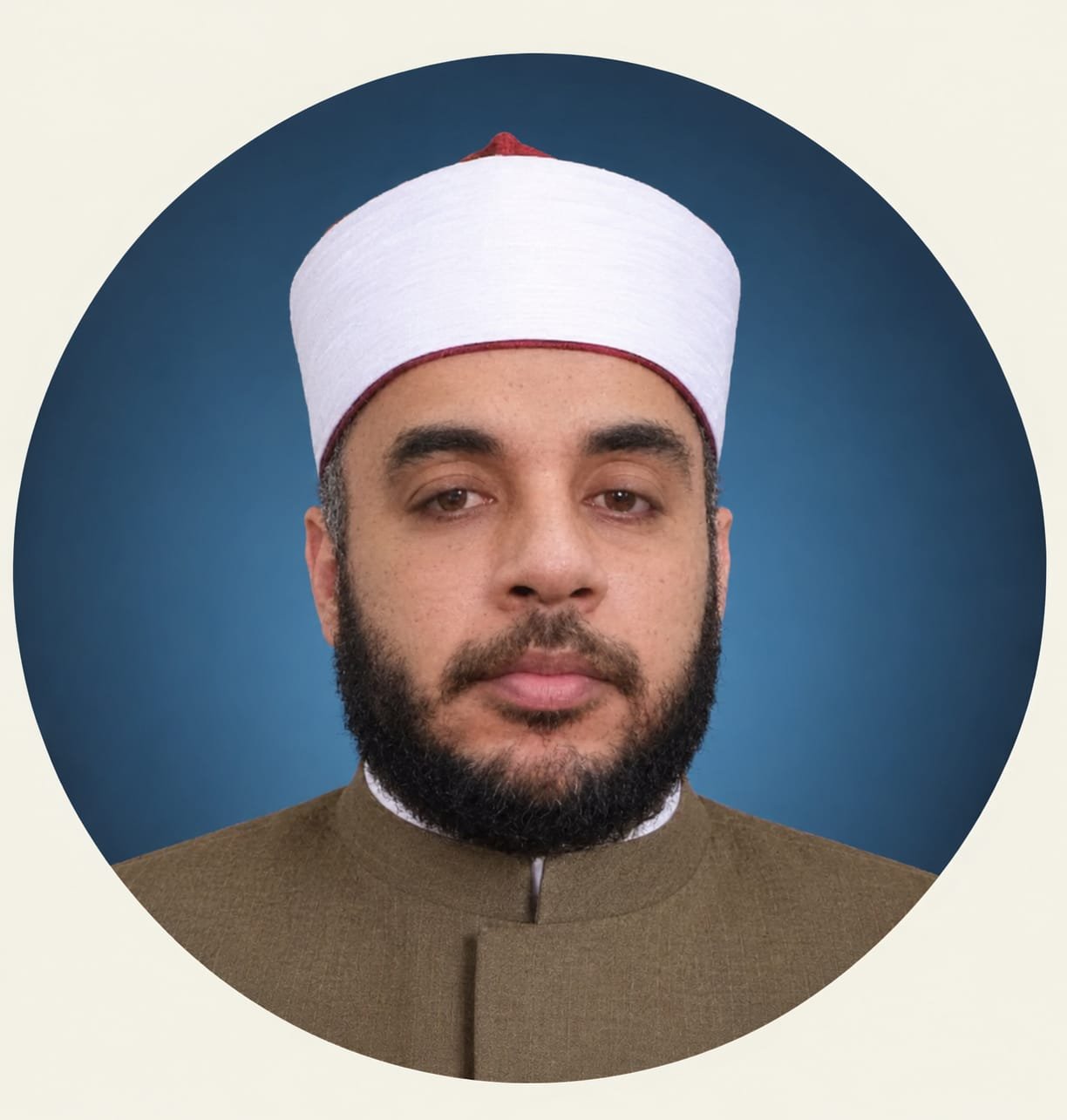
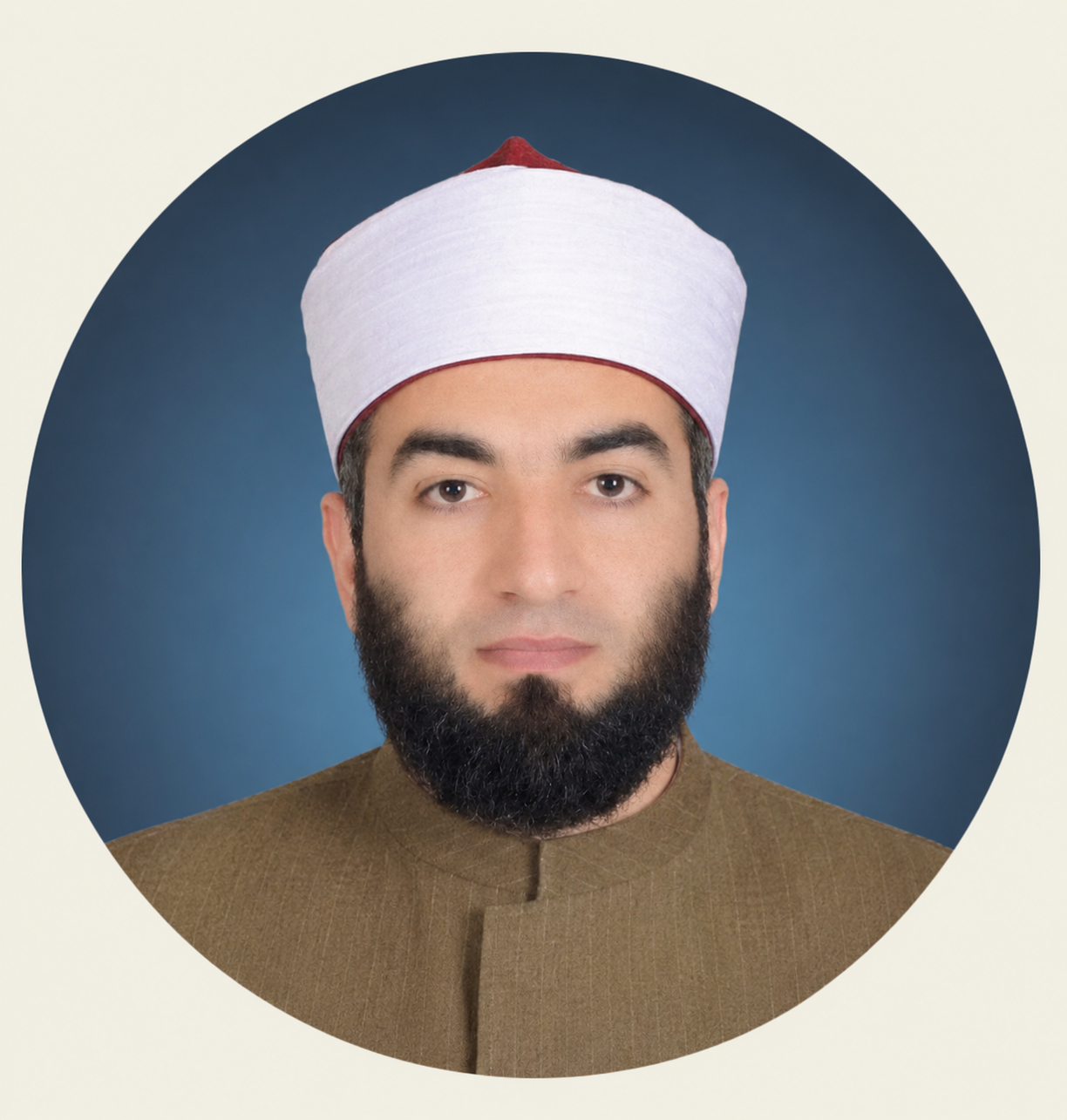
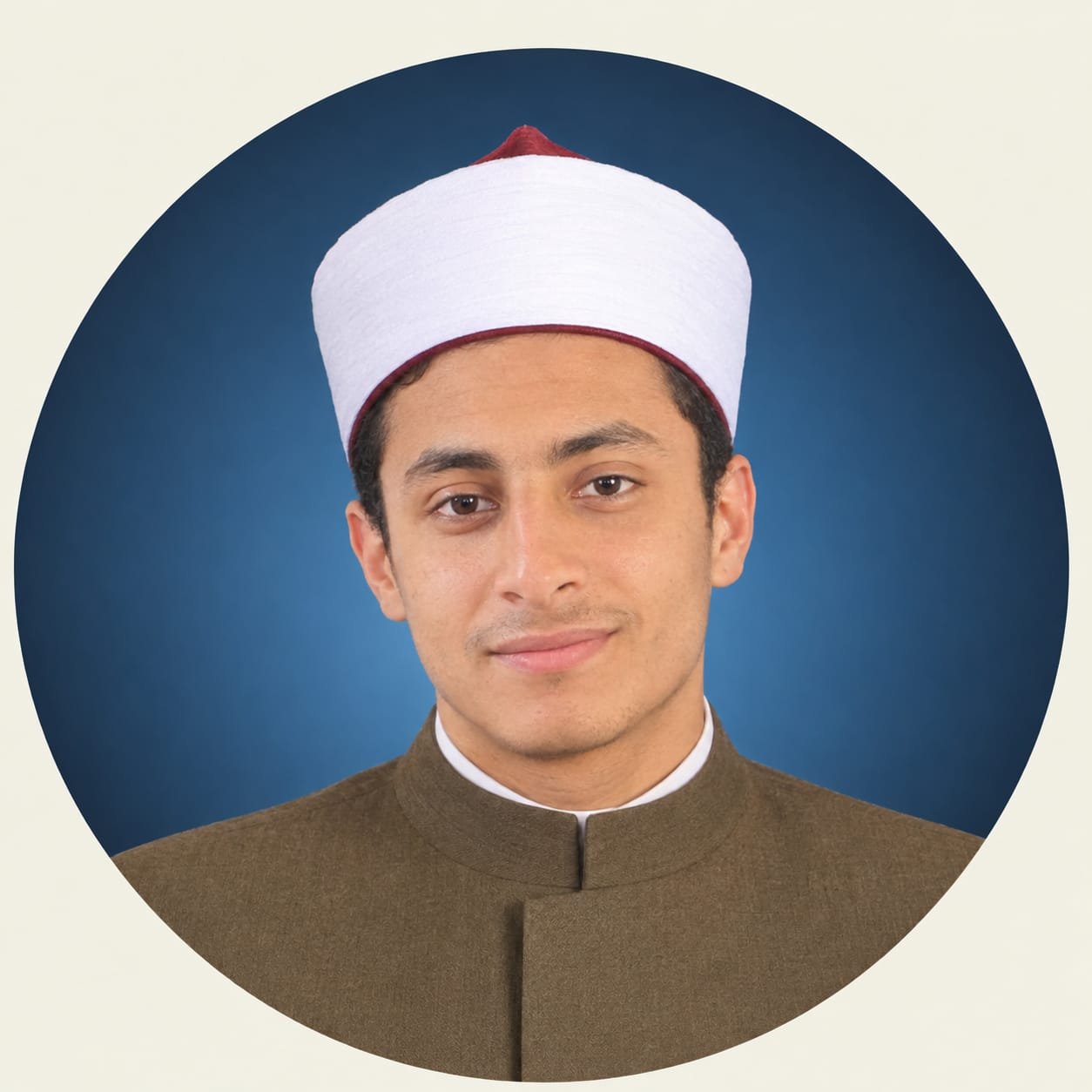
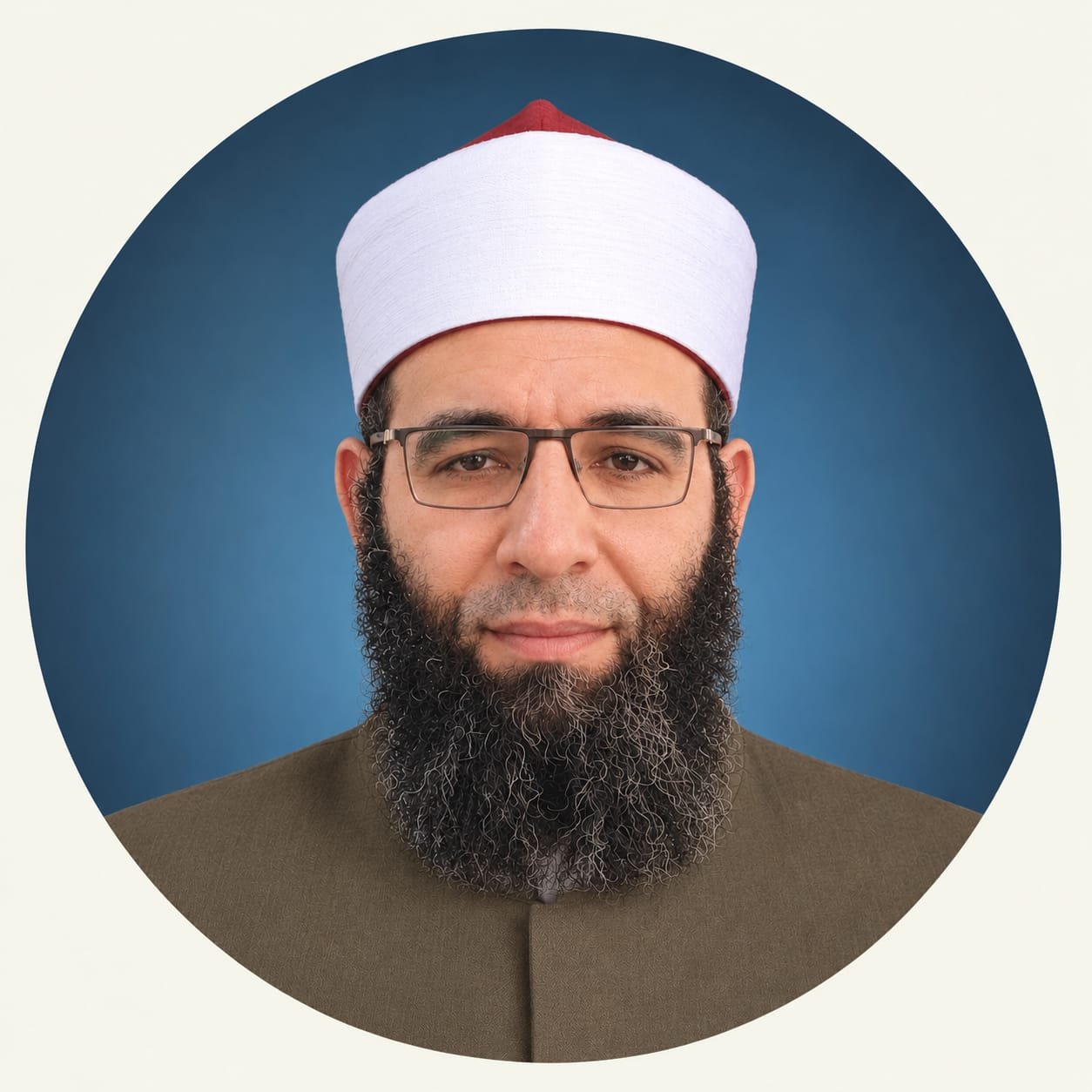
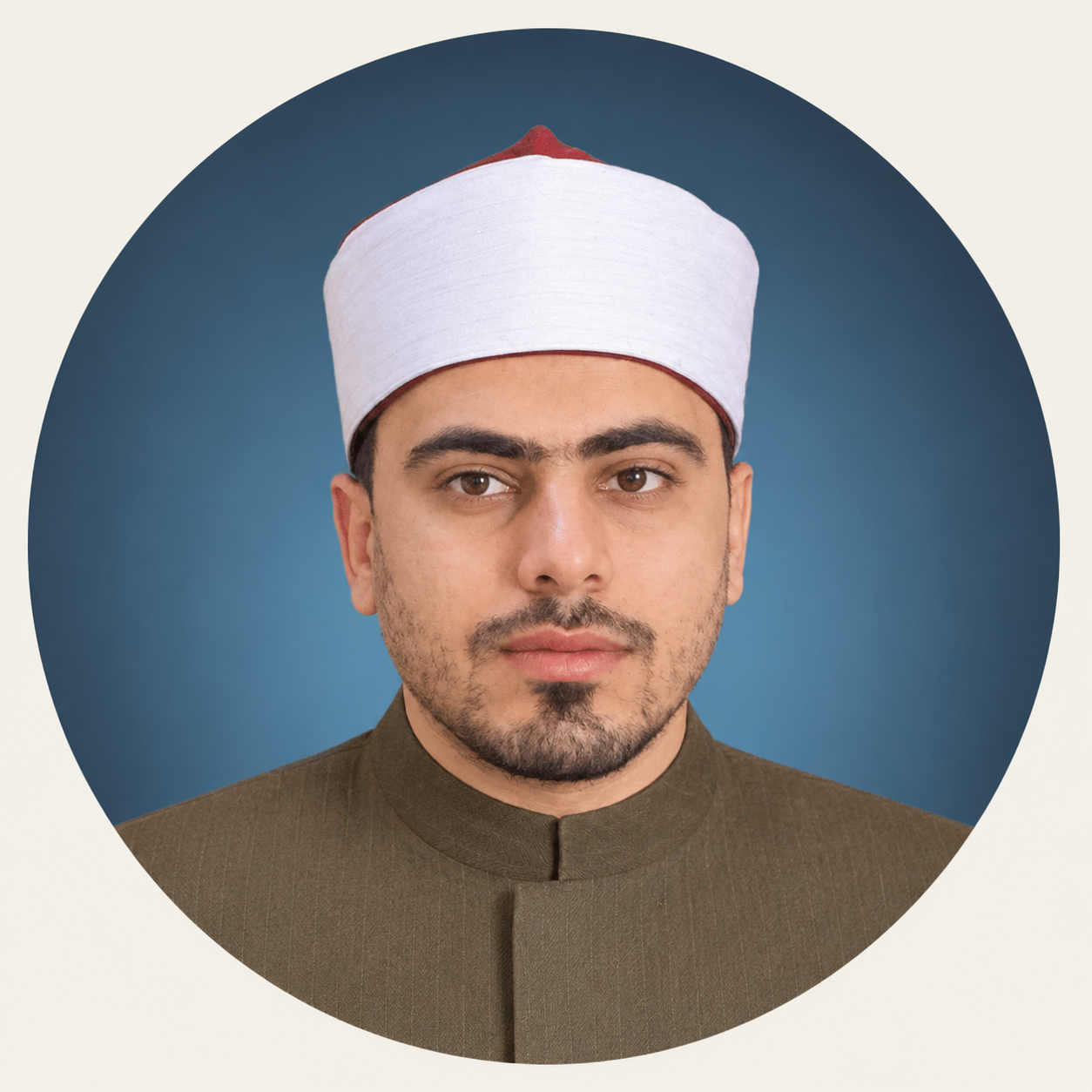
Every academy says “certified teachers”. These are ours, by name and position, with their chains of transmission published. They review what we teach, examine the teachers — and take students of their own.
Straight answers. If something here isn't right for your family, tell us before you book.
Most of our UK families do both, and for different reasons. Madrasah gives community, the masjid, and friends who are also memorising — things a screen cannot give. What it cannot give a class of thirty is individual correction. One lesson a week here covers the gap: your child reads for twenty-five minutes instead of ninety seconds, and gets a plan built on their own level.
It is very common, and it is not usually the child. Large classes teach by repetition, so a child can memorise a great deal by ear without ever learning to decode a letter. The fix is not more of the same — it is a short one-to-one run through the Noorani Qaida, which usually takes a few months rather than years.
Most UK families take a slot between 4pm and 8pm UK time on weekdays, or a weekend morning. Our teachers are in Cairo, an hour or two ahead, so those are normal working hours for them and the slots are genuinely available — not squeezed in.
Yes, and it is a standing option rather than a special arrangement. You choose it when you book and a female Al-Azhar graduate is assigned.
It depends on how many lessons a month and how long each one is. Prices are shown before you pay anything on the pricing page, there are no registration or material fees, and families with two or more children get a discount. The trial lesson is free.
Tell us in advance and lessons are postponed rather than deducted from your package. Many families keep going through the holidays from wherever they are — the lesson travels with the laptop.
All our teachers are Al-Azhar graduates, and some hold an ijazah with a connected chain of transmission. If that matters to you, say so before you book and we will match you to a teacher who holds one.
Yes, and for younger children we encourage it, especially in the first few weeks. You are welcome in any lesson without asking.
A phone, tablet or laptop with a camera and microphone, ordinary home broadband, and a quiet half hour. There is nothing to install and nothing to buy.
Yes — a full lesson with the teacher who would continue with you, with no card details and no commitment. The teacher gives you a written assessment of where your child actually is, which is worth having even if you decide not to continue.
Meet the teacher, see how your child responds, then decide. Prices are shown in GBP before you pay anything.
Book the free trial Ask on WhatsApp